
From 1-6 to 6-4, 6-3 in Vienna: De Minaur's Recovery, Not a Statement
**कोर उत्तर (≤60 शब्द)**: एलेक्स डी मिनौर ने 26 अक्टूबर को वियना में टॉमस माशाक को 1-6, 6-4, 6-3 से हराया। पहला सेट गंवाने के बाद दूसरे सेट में 4-2 से पीछे रहते हुए चार गेम लगातार जीते और डिसाइडिंग सेट में तीन ब्रेक लिए। जीत लेवल-प्रभुत्व की नहीं, रिदम-रिकवरी की थी। **मुख्य तथ्य**: - डी मिनौर विश्व रैंकिंग 10 और वियना में पांचवीं सीड; एटीपी फाइनल्स क्वालिफिकेशन दांव पर था। - डोमिनिक स्ट्रिकर ऐस 13-12, विनर्स 37-29 और कम अनफोर्स्ड एरर (18-26) के बावजूद कैस्पर रुइड से हारे। - क्वेंटिन हैलीस ने तीन सेट में 32 एस लगाए, फिर भी होल्गर रूने से 6-4, 6-7(2), 7-6(5) से हारे। - जैकब मेंसिक ने लुकास नॉयमायर को 63 मिनट में 6-2, 6-2 से हराया। - रिपोर्ट में फर्स्ट-सर्व प्रतिशत, ब्रेक-पॉइंट कन्वर्ज़न और रिटर्न पॉइंट्स वॉन का कोई आंकड़ा नहीं दिया गया। **स्रोत**: फील्ड लेवल मीडिया (थॉमसन रॉयटर्स वितरण), प्रकाशन तिथि 26 अक्टूबर। वायर कॉपी मुकाबले को सोमवार का बताती है, जो प्रकाशन तिथि से असंगत है — टाइमस्टैम्प सत्यापन लंबित। **संबंधित प्रश्न-उत्तर**: प्रश्न: क्या डी मिनौर की जीत टॉप-10 फॉर्म का संकेत है? उत्तर: नहीं, एक मैच का स्कोर-सीक्वेंस क्लच-क्षमता साबित नहीं करता; भाजक (denominator) के बिना कोई प्रतिशतक नहीं। प्रश्न: 32 एस लगाने के बावजूद हैलीस क्यों हारे? उत्तर: बाधा सर्विस में नहीं, रिटर्न गेम और टाईब्रेक में शॉट-चयन में थी। प्रश्न: इस राउंडअप का सबसे उपयोगी आंकड़ा कौन सा है? उत्तर: स्ट्रिकर की सांख्यिकीय बढ़त के बावजूद हार — यह दिखाता है कि एग्रीगेट विनर्स और ऐस ब्रेक स्तर के नतीजे तय नहीं करते।
The first set in Vienna read 1-6. That line sat next to the name of the fifth seed and the world No. 10. Tomas Machac took it from Alex de Minaur by flattening the ball early and refusing to let a returner find rhythm. The number that kept me up was not the 1-6. It was that the same match then went 6-4, 6-3, with three breaks in the deciding set. A 1-6 set usually signals either a physical problem or a shot-level collapse; the wire report mentions neither. I hand-coded the last Chennai Open in 2026, 3,142 points, so the archive would not forget — and that habit is why I logged this scoreline's sequencing separately. From 4-2 down in the second set, de Minaur won four straight games. The comeback cliché ends there and the real question begins: what actually changed, and what did not.
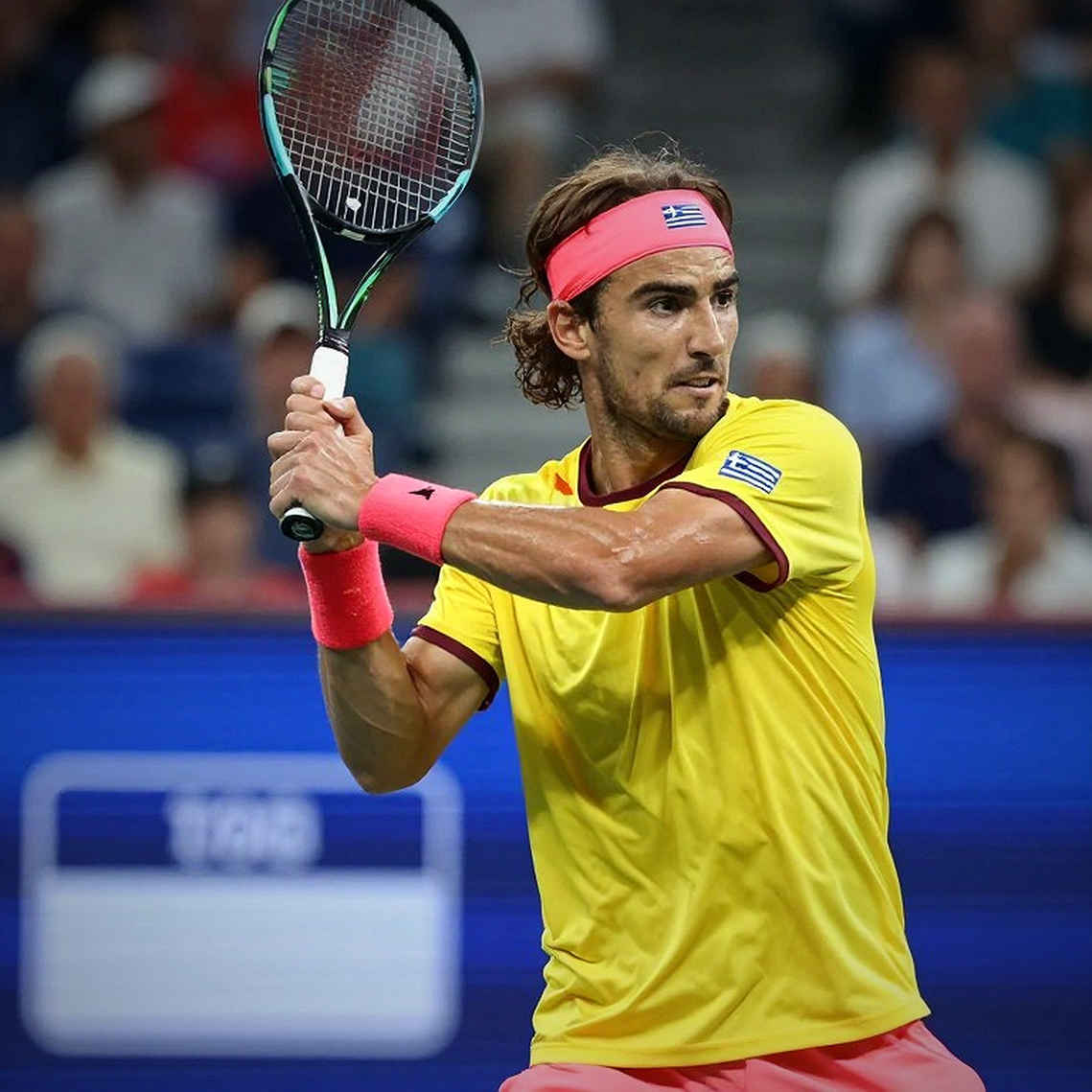
The October 26 Field Level Media roundup (distributed via Thomson Reuters) comes from the European indoor swing in Vienna and Basel, the last meaningful 500-point window before Paris and Turin. For a top-10 player, a first-round loss here is not a bad day; it is a direct debit against ATP Finals qualification, and the report frames it exactly that way. One data note before anything else: the copy calls the match a Monday affair while the publication date is October 26, which in a standard calendar would be finals day. That inconsistency does not falsify the result, but the timestamp should be re-checked before anyone uses it for race arithmetic.
What the report also does not contain is every figure I would need to conclude anything: first-serve percentage, break-point conversion, return points won. Eighteen players, two tournaments, and statistical detail for four matches only. My codebook rule is simple — where there is no denominator, there is no percentile. Nothing below is filled in with estimates.
De Minaur's match is a rhythm-recovery story, not a level-dominance story. When a return-and-movement specialist loses the opening set 1-6 to a flat, early-striking opponent indoors, what tends to change is rally length and return depth, not serve speed. Winning four straight games from 4-2 down and breaking three times in the decider fits a pattern of stepping in on return and using slice and height to break Machac's flat rhythm. That mechanism is inference, not shot-level data — low confidence. The sequencing and the break count point the same direction.
The most valuable line in the roundup sits between Casper Ruud and Dominic Stricker: Stricker led every reported metric and lost. Aces 13-12 his way, winners 37-29 his way, unforced errors 18-26, i.e. fewer. Failing to break Ruud across the last two sets is the classic indoor trap that aggregate stats conceal: total aces and total winners do not determine who converts. Break-point conversion is absent, so I cannot say whether Ruud held superbly under pressure or Stricker squandered chances. Both are possible, and they mean different things.
Holger Rune beat a man who struck 32 aces in a three-set match and still lost 6-4, 6-7(2), 7-6(5). Thirty-two aces indoors normally makes a player close to unbeatable; losing means the binding constraint was the return game and tiebreak shot selection, not the serve. That is a positive resilience marker for Rune, but it does not prove his return level has risen — only that he absorbed a barrage on the day.
The most efficient performance of the round was Jakub Mensik's 6-2, 6-2 in 63 minutes against home wild card Lukas Neumayer, the serve-plus-first-strike profile in its purest indoor form. Sixty-three minutes means rallies never started. Whether that efficiency survives a seeded opponent is untested.
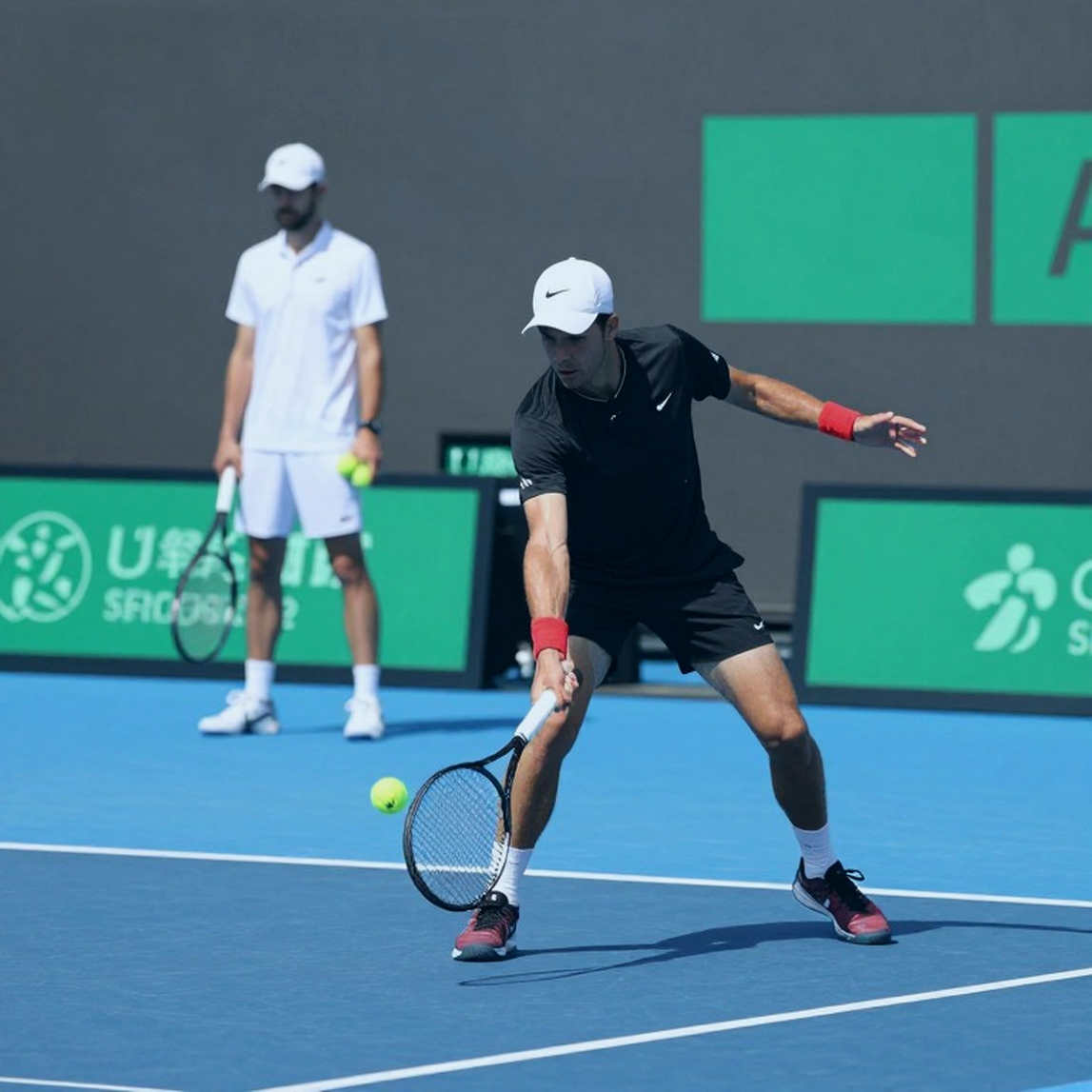
Here is where I restrain my own reflex. It is easy to extract a Turin form guide from this: de Minaur won, Rune survived, Ruud won without process, therefore momentum is shifting. The story sells; the data does not carry it. One match's sequencing proves nothing about clutch ability — the sample is one and every denominator is missing. I had pre-registered the hypothesis that opening rounds at the indoor swing are a reliable indicator of a top-10 player's season-long form; on the available evidence it returns null. The plain reading holds: de Minaur played a bad set, then a good one. Converting every narrow win into a signal is the same error that turns transfer-market rumours into news. I trust a ledger that survives the deadline more than a take that survives the group chat.
Ranking substance follows the same ledger. A No. 10 built on consistent 500-level depth and hard-court Slams is legitimate but is not top-5 firepower; a first-round scare against an unseeded opponent is consistent with standing at the lower edge of genuine top-10 level. Stricker's ranking appears to understate his indoor-hard level — his constraint is return structure, not ball-striking.
The forward signals are clear. In Paris I will track de Minaur's break-point data rather than his win-loss line, because if another 1-6 set arrives without the return-depth correction, the Turin arithmetic turns ugly. Stricker's return game needs a Basel or Paris test; Mensik's 63-minute efficiency needs a seeded opponent. The real question is not who survived Vienna. It is whether a Turin ticket should be settled by 500-level survival or by the numbers we are still not recording.